

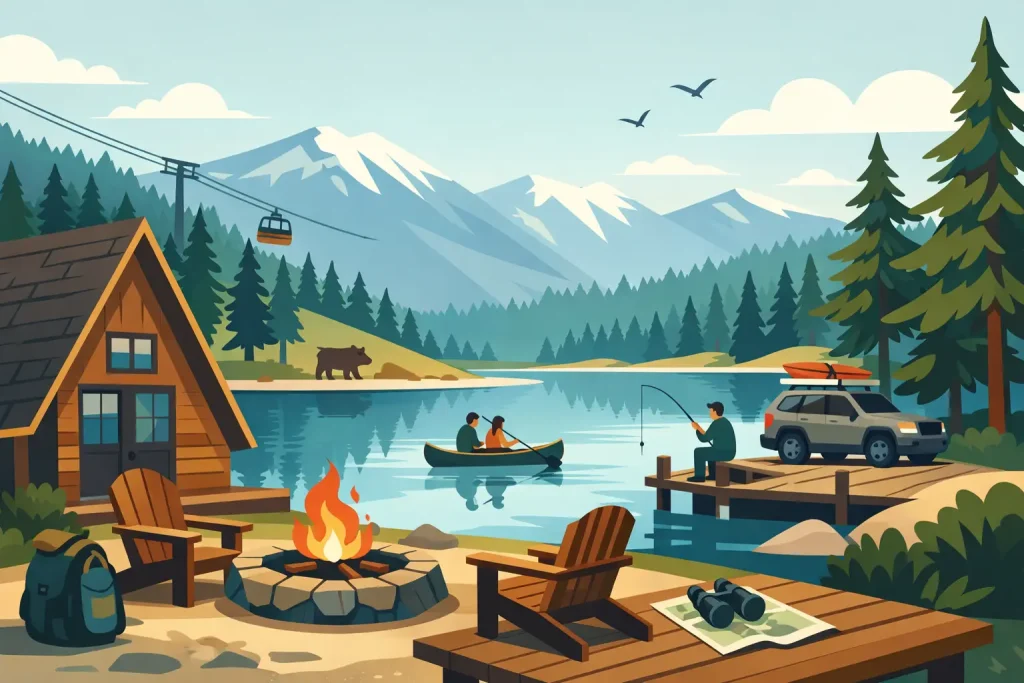
Friday afternoon in Big Bear can feel very different depending on one decision: whether you planned for a lakefront stroll and Village dinner, or showed up still trying to figure out where to stay, what to pack, and how far everything is. If you are wondering how to plan Big Bear weekend trips without wasting time, the sweet spot is simple – choose the right home base, build a realistic itinerary, and leave room for mountain weather to shape the fun.
Big Bear works best when your weekend is built around proximity. A cabin near Snow Summit creates a very different trip than a quiet retreat tucked into Moonridge or a cozy stay closer to the lake and the Village. Before you book a single activity, decide what kind of weekend you actually want. That one choice makes the rest of the planning much easier.
How to Plan Big Bear Weekend Around Your Travel Style
Some weekends are all about first chair and après. Others are about coffee on the deck, a dog at your feet, and one good hike before dinner. Big Bear can do both, but not from every location with equal ease.
If your group is coming for skiing or snowboarding, stay as close as you can to Snow Summit or Bear Mountain. In winter, short drive times matter. You will spend less time dealing with parking, traffic, and gear hauling, and more time actually on the mountain. For families with kids, that convenience can be the difference between a smooth morning and a stressful one.
If your ideal trip leans toward lake time, dining, and shopping, focus on cabins near Big Bear Lake or the Village. Being able to reach restaurants, coffee shops, and shoreline spots quickly makes a weekend feel fuller without feeling rushed. Couples often prefer this setup because it balances scenery with easy evenings out.
For travelers who want hiking trails, a quieter setting, and alpine views, Moonridge is a strong fit. It feels a little more tucked away while still keeping you close to major attractions. It is also a favorite for guests who want that classic mountain cabin feel without being far from the action.
Pick a Cabin That Matches the Weekend
A common mistake is choosing a cabin only by price or photo style. For a two- or three-night stay, layout and amenities usually matter just as much.
Start with your group size, but do not stop there. Think about how you will actually use the space. A family may need a fenced yard, a full kitchen, and room for movie nights after a day outside. A couple might care more about a hot tub, fireplace, and a peaceful location. A friend group may want multiple bedrooms, parking that is easy to manage, and a living area that feels social rather than cramped.
Pet owners should be especially selective. Big Bear is a great dog-friendly getaway, but not every stay is equally comfortable for pets. Look for cabins with practical features like outdoor space, easy neighborhood walks, and pet-friendly policies that do not turn into a pile of extra fees.
Amenities can also shape the whole rhythm of your trip. A fire pit gives you a reason to stay in one night. EV charging can remove a real planning headache. A well-equipped kitchen saves money and keeps breakfast simple. A spa is not just a bonus in winter – it can become the best part of the evening after a cold day on the slopes or trails.
Build a Realistic Weekend Itinerary
The best Big Bear weekends are not packed to the minute. Mountain towns reward a little breathing room.
For a Friday arrival, keep expectations light. Aim for check-in, groceries if needed, and one easy evening plan. That might be dinner in the Village, takeout back at the cabin, or a relaxed walk if you arrive before dark. Trying to cram in too much on night one usually backfires, especially if traffic out of Southern California slows you down.
Saturday is your anchor day. This is when you schedule the activity that matters most to your group. In winter, that may be skiing, snowboarding, or snow play. In warmer months, it could be hiking, mountain biking, boating, or lake time. Plan that main event first, then build meals and one secondary activity around it.
Sunday should feel lighter. A short hike, brunch, a scenic drive, or one last walk through town is usually enough before checkout and the trip home. If you save your most important activity for Sunday, you risk rushing through it or leaving disappointed if weather shifts.
Timing Matters More Than People Think
If you want to know how to plan Big Bear weekend travel smoothly, pay close attention to timing. Big Bear is a quick getaway from many parts of Southern California, but popular weekends can still get busy fast.
Leave earlier than you think you need to on Friday, especially during snow season and holiday periods. The same goes for heading home on Sunday. A mid-morning departure is often easier than squeezing in one more full activity and joining everyone else on the road later.
Season also changes what “busy” means. Winter brings snow traffic and ski demand. Summer weekends fill up for lake recreation and hiking. Fall is often one of the easiest times to visit if you want crisp air, fewer crowds, and a more laid-back pace. Spring can be a great value, but conditions can be mixed, so flexibility helps.
Plan for Weather, Not Just the Forecast
Big Bear weather shapes the weekend in real time. Even when the forecast looks mild, mornings and evenings can be cold, and conditions can shift quickly.
Pack layers instead of one bulky plan. In winter, that means outerwear, gloves, waterproof boots, and warm basics. In summer, think light daytime clothes with a jacket for cooler nights. No matter the season, mountain sun is stronger than many visitors expect, so sunglasses and sunscreen still belong in the bag.
If snow is possible, check road conditions before you leave and know whether your vehicle may need chains. That is not the glamorous part of trip planning, but it is one of the most important. A weekend feels easy when you are prepared for the road, not surprised by it.
Keep Meals Easy and Strategic
Food planning has a bigger impact on a weekend than most people expect. Big Bear has plenty of good spots for dining, but reservations, wait times, and drive times can all shape your evening.
A smart approach is to mix one or two meals out with simple cabin meals. Bring breakfast basics, snacks, coffee, and something easy for the first night. That way, if you arrive later than expected, you are not trying to solve dinner when everyone is already tired.
For groups, this matters even more. Cooking one dinner at the cabin often saves money and creates a more relaxed evening. For couples, a nice dinner out paired with a low-key breakfast in can strike the right balance. It depends on whether your trip is centered on activity, relaxation, or a little of both.
Leave Room for the Best Part
A lot of visitors plan Big Bear as if every hour needs an assignment. Usually, the moments people remember most are the ones in between – coffee on the deck, kids playing in the snow outside the cabin, dogs napping after a trail walk, or a long soak under the stars.
That is why the right cabin matters so much. When your stay is comfortable, well located, and set up for the kind of weekend you actually want, the destination starts working for you instead of the other way around. Big Bear Lake Vacations is built around that idea, pairing inviting mountain stays with practical local guidance so the planning feels lighter from the start.
A well-planned Big Bear weekend should still feel easy. Choose your area with intention, book a cabin that fits your pace, and give yourself enough space to enjoy the mountain instead of managing it. The best trips up here are the ones that leave a little room for fresh air, good views, and the kind of weekend you will want to book again before you even head home.