

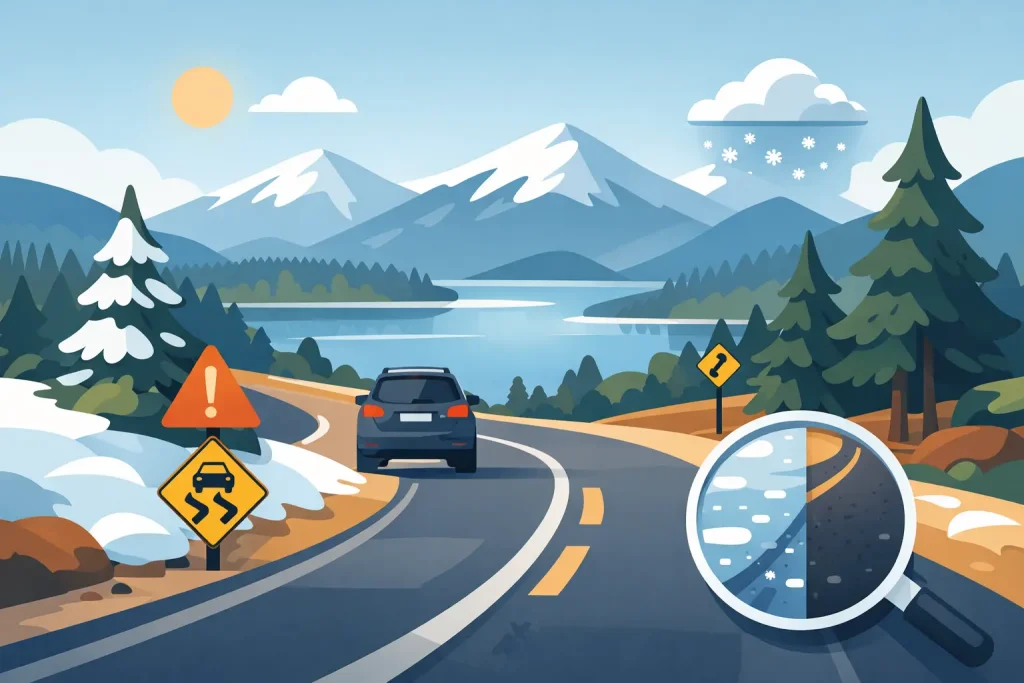
A Big Bear weekend can start with pine trees, fresh air, and a cabin check-in you have been looking forward to – or with white-knuckle driving if you head up unprepared. This big bear road conditions guide is here to help you choose the right route, understand what changes with the weather, and arrive with a lot less stress.
Road conditions in Big Bear are rarely just good or bad. They shift with elevation, storm timing, weekend traffic, plowing schedules, and even what time of day you leave the city. A clear afternoon in the Inland Empire can turn into icy curves near the summit, especially after sunset. That is why planning your drive matters almost as much as planning your stay.
Big Bear road conditions guide by season
The biggest mistake travelers make is assuming mountain driving is only a winter issue. Snow season gets the most attention, but every season has its own quirks.
In winter, chain requirements, active snowfall, black ice, and traffic backups are the obvious concerns. This is when roads can change fast, especially on weekends and holiday mornings. Even when highways are open, progress can be slow because of spinouts, chain installation delays, and heavy resort traffic.
Spring usually feels easier, but it can be unpredictable. One warm week can be followed by a late-season storm, and melting snow often creates wet pavement that refreezes overnight. If you are driving up for a spring break stay or a shoulder-season weekend, do not assume winter rules are over.
Summer brings the easiest road conditions overall, but that does not mean no planning is needed. Holiday traffic can be intense, and mountain roads still demand attention. Afternoon thunderstorms can reduce visibility, and busy weekends can add a surprising amount of drive time on the way into town.
In fall, road conditions are often pleasant and straightforward, making it one of the easiest times to visit. The trade-off is shorter daylight hours and colder nights. A dry road at check-in time can become slick by early morning if temperatures dip enough.
Which road to Big Bear is best?
There is no single best route every time. The right choice depends on weather, your vehicle, your comfort level in the mountains, and where traffic is building.
Highway 330 and Highway 18 through Running Springs is one of the most common approaches from the west. It is convenient for many Southern California travelers and often the default route for people coming from Los Angeles or Orange County. The upside is direct access. The downside is that it can get crowded during storms and ski weekends.
Highway 38 through Redlands is often considered a gentler climb with wider curves and a steadier feel for drivers who dislike tight mountain roads. In rough winter weather, many travelers prefer it because it can feel less stressful. The trade-off is that it is usually longer, so on a clear day it may not be the fastest option.
Highway 18 from Lucerne Valley approaches from the high desert side. This route can be useful when the south side is heavily impacted, but weather still matters. Wind, snow, and visibility issues can affect this side too, and some drivers find the exposed sections less comfortable during a storm.
If conditions are dry, your fastest route may simply be the one with less traffic. If a storm is moving in, the smoothest drive may be worth a few extra miles.
What winter drivers should know before heading up
If your trip falls between late fall and early spring, prepare for the possibility of chain controls even if snow is not actively falling when you leave home. Conditions in Big Bear are based on what is happening on the mountain, not what the weather looks like in the valley.
Carry chains that fit your tires and know how to install them before you need them. Four-wheel drive and all-wheel drive help, but they do not automatically exempt you from every requirement. Rules vary by conditions, and officials may still require you to carry chains.
Give yourself more time than your map app suggests. A normal drive can stretch far beyond its usual estimate once chain checkpoints, snowplows, or holiday traffic enter the picture. Leaving early in the day usually makes the trip easier because visibility is better and temperatures are warmer.
Fuel up before the climb. Keep water, snacks, a phone charger, and warm layers in the car. If traffic slows to a crawl, those small comforts make a real difference, especially with kids or dogs along for the ride.
How to read mountain conditions realistically
Travelers often check one weather app, see a snow icon, and assume the roads will be impossible. Others see clear skies and assume the drive will be easy. The truth is usually somewhere in between.
What matters most is timing. Snow overnight can mean plowed roads by late morning, while a dry afternoon can still hide icy patches on shaded curves. Weekend volume also changes the experience. A route that feels calm on a Tuesday can feel completely different on a Saturday morning after fresh snowfall.
The best mindset is flexible, not fearful. If conditions are active, leave earlier, drive slower, and expect some delays. If conditions are clear, you still want to stay alert because mountain roads demand more attention than a flat freeway drive.
Tips for families, groups, and pet owners
Mountain travel gets more complicated when you are not traveling solo. Families with young kids should plan extra buffer time and avoid arriving after dark if possible. A daylight arrival makes the drive easier and the cabin check-in smoother.
Groups often split into multiple cars, which can create confusion if road conditions change mid-drive. It helps to agree on a route and a regrouping point before heading up the mountain. Cell service can be inconsistent in some stretches, so do not rely on last-minute messages alone.
If you are bringing your dog, think beyond the cabin and pack for the drive too. Bring water, a leash within reach, and a warm blanket for cold-weather travel. For pets that get anxious in traffic or snow, extra stops before the mountain climb can make the trip easier for everyone.
Arrival timing can make or break your trip
One of the most useful parts of any big bear road conditions guide is this simple point: when you drive matters. If a storm is expected in the afternoon, a morning departure can save you a tougher climb. If roads have been plowed overnight, waiting until late morning may be smarter than rushing up before sunrise.
For winter weekends, Friday daytime arrivals are often easier than Friday night arrivals. On busy ski weekends, Sunday departure timing matters too. Leaving too late can put you in a long line of outbound traffic, especially when visitors are all heading down at once.
If your goal is a relaxed mountain getaway, build your itinerary around the drive instead of treating the drive as an afterthought. That one adjustment can set a much better tone for the whole stay.
A few easy ways to reduce driving stress
Choose a route before you are halfway there. Last-minute changes sound smart, but they often add confusion when traffic is already building. It is better to pick the route that fits the day and commit unless conditions clearly shift.
Make sure your tires, wipers, and brakes are ready for mountain roads. Even on a clear weekend, steep grades ask more from your vehicle than city driving does. If your car is overdue for maintenance, take care of that before your trip, not after a warning light appears on the climb.
If you are staying for a couple of nights, consider arriving earlier and settling in rather than trying to squeeze in activities immediately. A good cabin, a hot drink, and a little downtime after the drive usually feel better than rushing straight from the road to the slopes or the Village. That is part of why many guests planning with Big Bear Lake Vacations look for a comfortable home base that makes arrival day feel easy, not packed.
Big Bear is one of those rare Southern California escapes where the drive is part of the adventure, but it should not be the hardest part of your weekend. Check conditions, respect the mountain, leave room in your schedule, and you will give yourself a much better chance of arriving ready for the fun part.