

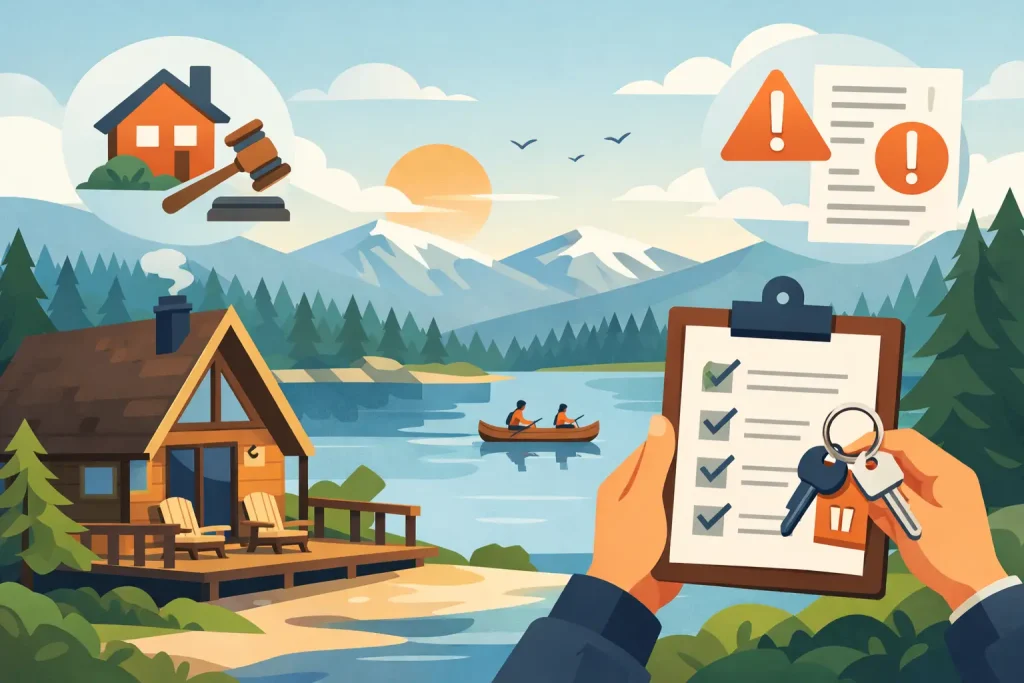
A great Big Bear trip can start with fresh snow, lake views, or a sunny afternoon on the deck – and get sidetracked fast if you miss the Big Bear Lake Airbnb rules that come with your stay. This is one of those destinations where local vacation rental standards matter, not just for hosts, but for guests who want an easy weekend without surprise fees, neighbor complaints, or a late-night parking issue.
Big Bear Lake is a true residential mountain town, not just a resort zone. That means short-term rental rules are designed to protect the guest experience and the neighborhood experience at the same time. If you are booking a cabin for a ski weekend, a summer lake trip, or a dog-friendly family getaway, it helps to know what those rules usually cover before you arrive.
Why Big Bear Lake Airbnb rules matter more here
In a mountain destination, small details have bigger consequences. Street parking can block snowplows. Extra cars can crowd narrow roads. Late-night noise carries farther than people expect, especially in quiet cabin neighborhoods. Even trash storage matters more when wildlife is part of daily life.
That is why many Big Bear Lake vacation rental rules feel stricter than what guests might see in larger cities or beach markets. They are not there to make a trip feel rigid. They are there to keep cabins operating smoothly in a place where weather, terrain, and close-knit neighborhoods all shape the stay.
For guests, this is actually good news. Clear rules usually mean a better-managed property, a smoother check-in process, and fewer headaches once you are on the mountain.
The Big Bear Lake Airbnb rules guests run into most often
The exact house rules depend on the property, but a handful of standards come up again and again across licensed vacation rentals in Big Bear Lake.
Occupancy limits are taken seriously
Every rental has a maximum guest count, and in Big Bear that number is not just a casual suggestion. Hosts are typically expected to follow occupancy limits closely, and guests should too. If a cabin sleeps six, that does not mean ten people can stop by for the evening and stay over after dinner.
This matters most for group trips. A birthday weekend or holiday stay can get complicated if part of the group assumes they can add a few extra people later. Before booking, make sure the cabin fits your real headcount, including kids if the property counts them toward occupancy.
Parking rules can make or break your stay
Parking is one of the most common issues in Big Bear Lake. Many vacation rentals have a fixed number of permitted vehicles based on the property size and layout. Street parking may be restricted or prohibited, especially during snow conditions or in neighborhoods with tight access.
If your group is coming from different cities, it is worth coordinating carpools before arrival. A cabin that works perfectly for eight guests may still only allow two or three vehicles. That is normal in Big Bear, and ignoring it can lead to fines, towing, or complaints.
Noise rules are not just quiet suggestions
Big Bear is popular for family trips, couples escapes, and laid-back cabin weekends, so quiet hours matter. Most vacation rentals have posted rules around outdoor noise, parties, amplified music, and late-night gatherings. Even if you are simply enjoying the hot tub or deck after dark, volume matters.
This catches some guests off guard because a cabin can feel private while still being close enough to neighbors for voices to carry. The safest move is to keep outdoor hangouts low-key at night and move louder conversation inside.
Trash storage has real consequences in the mountains
In many destinations, trash is a minor checkout detail. In Big Bear, it is a much bigger deal. Bears and other wildlife are part of life here, so guests are usually expected to follow specific trash instructions closely.
That may mean using locked bins, waiting until pickup day to place trash in certain containers, or never leaving bags outside. If a property manager leaves detailed trash guidance, follow it exactly. This is less about formality and more about keeping wildlife away from homes and preserving the neighborhood.
Check-in and check-out times tend to be firm
Cabins often need more turnover time than a standard hotel room, especially after snow, muddy weather, or a busy holiday weekend. Because of that, early check-in and late check-out are not always available, even when the property looks ready from the outside.
It depends on the cleaning schedule, maintenance needs, and local staffing. If flexibility matters for your trip, ask ahead rather than assuming. The same goes for self-check-in. Many Big Bear rentals make arrival simple, but guests still need to follow the posted arrival process and local rules once on site.
Pets, hot tubs, decks, and other house-specific rules
This is where guests need to separate local short-term rental rules from individual property rules. Big Bear Lake has town-level expectations, but each cabin can also have its own standards around pets, outdoor spaces, and amenities.
If you are bringing a dog, check whether the home is truly pet-friendly, how many pets are allowed, and whether yard supervision is required. Some cabins welcome dogs warmly, while others place limits on furniture use, unattended pets, or crate expectations. That is not a red flag. It is just part of protecting the home for the next guest.
Hot tubs also come with common-sense expectations. Most properties want guests to keep the cover on when not in use, avoid glass nearby, and follow quiet-hour rules outdoors. Fire pits, BBQs, and fireplaces may have seasonal restrictions too, especially during dry periods or weather-related safety alerts.
The trade-off is simple. Cabins with great amenities usually come with a few more instructions. For most guests, that is worth it.
What these rules mean for families and groups
Families usually do well in Big Bear rentals because the rules create a calmer stay. Occupancy clarity helps parents book enough beds. Noise rules keep neighborhoods quieter at night. Parking limits reduce the usual chaos of group arrivals.
Friend groups need to be a little more intentional. A ski trip, lake weekend, or birthday getaway can still be relaxed and fun, but it helps to choose a home that fits the group naturally instead of trying to stretch a smaller cabin. The best trip is usually the one where nobody is negotiating sleeping space, car counts, or whether a late extra guest is a problem.
If your group wants easy access to the slopes, the Village, or the lake, that convenience can sometimes come with tighter neighborhood oversight. More central locations may be especially sensitive to parking and noise. A slightly more tucked-away cabin may offer more breathing room, but guests still need to follow the same basics.
How to avoid problems before you book
The easiest way to handle Big Bear Lake Airbnb rules is to think about them before you reserve, not after you arrive. Start with your real group size, your number of cars, and whether you are bringing pets. Then look at the home details with those three things in mind.
If you are planning a winter stay, pay extra attention to access and parking. Snow weekends create the biggest gaps between guest expectations and mountain reality. If you are planning a summer stay, check deck use, outdoor dining expectations, and trash instructions, since more time will likely be spent outside.
This is also where a well-managed local rental company can make a difference. Properties represented clearly, with straightforward rules and practical arrival information, tend to produce the least stressful stays. Big Bear Lake Vacations, for example, reflects the kind of local hosting approach many travelers want – comfortable cabins, useful planning details, and expectations that are easy to follow once you get there.
A better way to think about vacation rental rules
It helps to see these rules as part of the mountain experience, not a layer of red tape sitting on top of it. Big Bear works best when cabins stay peaceful, roads stay clear, wildlife stays wild, and guests know what kind of stay they booked.
That does mean a little less spontaneity in some cases. You may need to consolidate cars, skip a louder deck hangout late at night, or choose a larger cabin instead of squeezing everyone into a smaller one. But the upside is a trip that feels easier once you arrive.
When you book with the rules in mind, you get more room to focus on the good stuff – morning coffee under the pines, quick access to the slopes, lake days with the family, village dinners, and a cabin that actually feels like your home base. That is the kind of planning that pays off long before check-in.